Here is why migraine sufferers may want to eat more fish
For near of her life, Tanya Kamka suffered migraine headaches on a weekly basis.
The headaches would usually come on gradually and so build, causing excruciating pain and pressure behind her left centre that would culminate in her vomiting or visiting the emergency room. The ordeal would often leave her feeling weak and wearied for days subsequently.
"Someday I had a migraine I'd be wiped out for iii or four days," said Kamka, 58, a post office clerk who lives near Fort Bragg, N Carolina. "I missed a lot of work because of migraines."
Simply a few years ago, Kamka and 181 other people who routinely experience migraine headaches joined a clinical trial, sponsored by the National Institutes of Health, which was designed to test whether a special diet could alleviate their frequent headaches.
The diet that Kamka was assigned to follow emphasised foods that contain large amounts of omega-3 fat acids, the oils found in some fish, while limiting foods that are rich sources of omega-6 fat acids, such every bit many vegetable oils.
Omega-3s and omega-6s are both considered essential fatty acids – critical for health, and because our bodies tin can't make them, they must exist obtained from foods. Historically humans consumed roughly equivalent amounts of both fatty acids.
But the typical American diet today tends to incorporate a much larger proportion of omega-6 fats.
Some wellness authorities see this as a good thing: Vegetable oils and other rich sources of omega-half dozen fats have been found in many studies to be beneficial for cardiovascular health.
But others argue that this could exist problematic because omega-6 fats have been shown to promote hurting and inflammation, while omega-three fats tend to take the opposite event in studies, helping to reduce pain and inflammation.
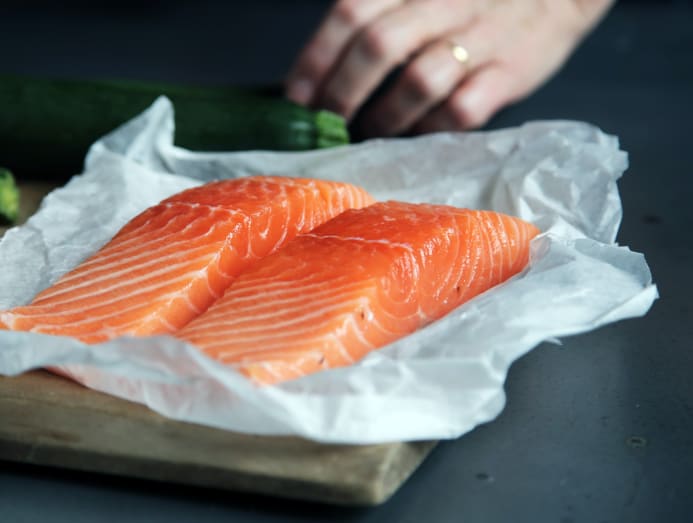
The authors of the new study wanted to know: Could a diet that boosts omega-3 fats while lowering omega-6 fats brand life easier for people burdened by frequent migraine headaches?
For Kamka, the benefits of a alter in diet were striking: Afterwards a few months of increasing her fish intake and fugitive many common vegetable oils, she noticed that her headaches had all but disappeared.
Other people on the new diet as well reported fewer headaches. Although the trial concluded after sixteen weeks, Kamka has remained on it ever since. Gone are the days when she ate foods like fried chicken, French fries and white potato chips that were cooked in vegetable oils rich in omega-6 fats.
She now makes a point of eating foods similar cod, tuna, sardines, spinach salads, hummus and avocados, and she cooks with olive oil instead of corn, soybean and canola oils.
"I haven't had a migraine, not even a mild one, in over two years," she said. "Going from having one a calendar week to not having any was simply amazing to me."
Migraine headaches are i of the most common causes of chronic pain, affecting about 12 per cent of all Americans, most of them women.
For many people, the status tin be debilitating, causing intense hurting, nausea and other symptoms and sharply increasing the likelihood of developing depression and anxiety.
Studies have found that migraine attacks can take a toll on workplace productivity, too, causing people to lose, on average, nearly four work days per twelvemonth.
But the new study provides evidence that the right diet could provide relief to some people who experience frequent migraine attacks, helping them reduce the number and severity of their headaches.
Similar studies are underway to appraise whether dietary changes could help ease other kinds of painful chronic ailments, such as depression back pain.
Dr Christopher Ramsden, the pb author of the report, said the findings suggest that dietary changes could be a useful complement to existing treatments for chronic pain.
"Many people with chronic pain continue to endure despite taking medication," said Dr Ramsden, a clinical investigator in the National Plant on Crumbling Intramural Research Program.
"I think this is something that could exist integrated with other treatments to raise their quality of life and reduce their pain."
For the new trial, published in the BMJ in July, participants were randomly dissever into three groups and followed for sixteen weeks.
One grouping, which included Kamka, followed a diet that was high in omega-three fats and relatively low in omega-half dozen fats: They ate enough of foods like wild salmon, albacore tuna and trout, while trying to minimise rich sources of omega-6 fats such as corn, soybean and canola oils.
To brand it easier to follow the diet, all of the subjects were given meals, snacks and recipes prepared by a dietitian throughout the grade of the study.
Vegetable oils high in omega-6s are abundant in the American diet. They are oft used for cooking and found in many packaged foods and eating place meals.
To run into whether reducing these fats could have an impact on migraine headaches, the researchers had a second group of people add more fish and other rich sources of omega-3s to their diets without decreasing their intake of omega-6s.
A third grouping of people, serving as controls, consumed typical amounts of both types of fats.
At the showtime of the study, the participants experienced, on average, most 16 "headache days" per month.
Only after 16 weeks, the group that had increased their fish intake and avoided vegetable oils had an average of four fewer "headache days" each month compared to the control group, every bit well equally a thirty per cent to xl per cent reduction in "headache hours" each day.
The grouping that increased their omega-3 intake without reducing their omega-6 consumption benefited as well, though they had a smaller improvement of two fewer days without headaches each month.
Both of these groups reported shorter and less severe headaches than people in the control group. They likewise used fewer pain relievers similar acetaminophen.
The researchers also noticed differences in of import blood biomarkers. The 2 groups that increased their fish intake had greater levels of compounds known every bit oxylipins, which are involved in soothing hurting. They had particularly loftier levels of 17-HDHA, an oxylipin that in other studies has been shown to reduce hurting in people with arthritis.
Dr Rebecca Burch, a neurologist who was not involved in the new study, said that the findings were hitting. She wrote an editorial in the BMJ pointing out that recently approved migraine medications have been shown in studies to produce two to 2 and a half fewer "headache days" per month compared to placebo, which is less than the 4-day reduction acquired by the high omega-3, depression omega-vi diet.
"Four days per calendar month really outperforms annihilation we've seen from a pharmacological preventive," said Dr Burch, a headache medicine specialist at Brigham and Women's Hospital and an assistant professor of neurology at Harvard Medical School.
Dr Burch said that people who struggle with migraine headaches are often motivated to follow restrictive diets to effort to find some relief for their condition.
But until at present there has not been much show that any item diet works. "This is the starting time time that we've had a robust, solid nutrition that we can recommend to patients," she added.
For people who desire to try the nutrition on their own, the researchers said that the simplest way to increase omega-3 intake is to eat more fatty fish, such as sardines, anchovies, mackerel, salmon, albacore tuna and trout.
Some of the best and virtually affordable options are canned and pouched fish. For vegetarians, good plant sources of omega-3 fats are footing flaxseeds, chia seeds and walnuts.
Another important component of the diet is avoiding fried, processed and fast foods, which are typically made with oils that are low in omega-3s and loftier in omega-6s.
Beth MacIntosh, a co-author of the new written report, said that extra virgin olive oil, avocado oil, macadamia oil, coconut oil and butter tend to contain depression amounts of omega-vi fats.
You can utilize these oils to melt meals or to brand your own snack foods, similar popcorn, hummus and granola. The researchers too encouraged people in the study to consume at least five servings of fruits and vegetables per day.
"Fruits and vegetables are naturally low in omega-half-dozen fatty acids – and they're just good for you," said MacIntosh, the clinical nutrition director of the Metabolic & Diet Inquiry Cadre at UNC Health in Chapel Hill.
By Anahad O'Connor © 2022 The New York Times
This article originally appeared in The New York Times.
https://world wide web.nytimes.com/2021/08/02/well/eat/chronic-migraine-omega-3.html
Source: https://cnalifestyle.channelnewsasia.com/wellness/here-why-migraine-sufferers-may-want-eat-more-fish-275466
0 Response to "Here is why migraine sufferers may want to eat more fish"
Post a Comment